01
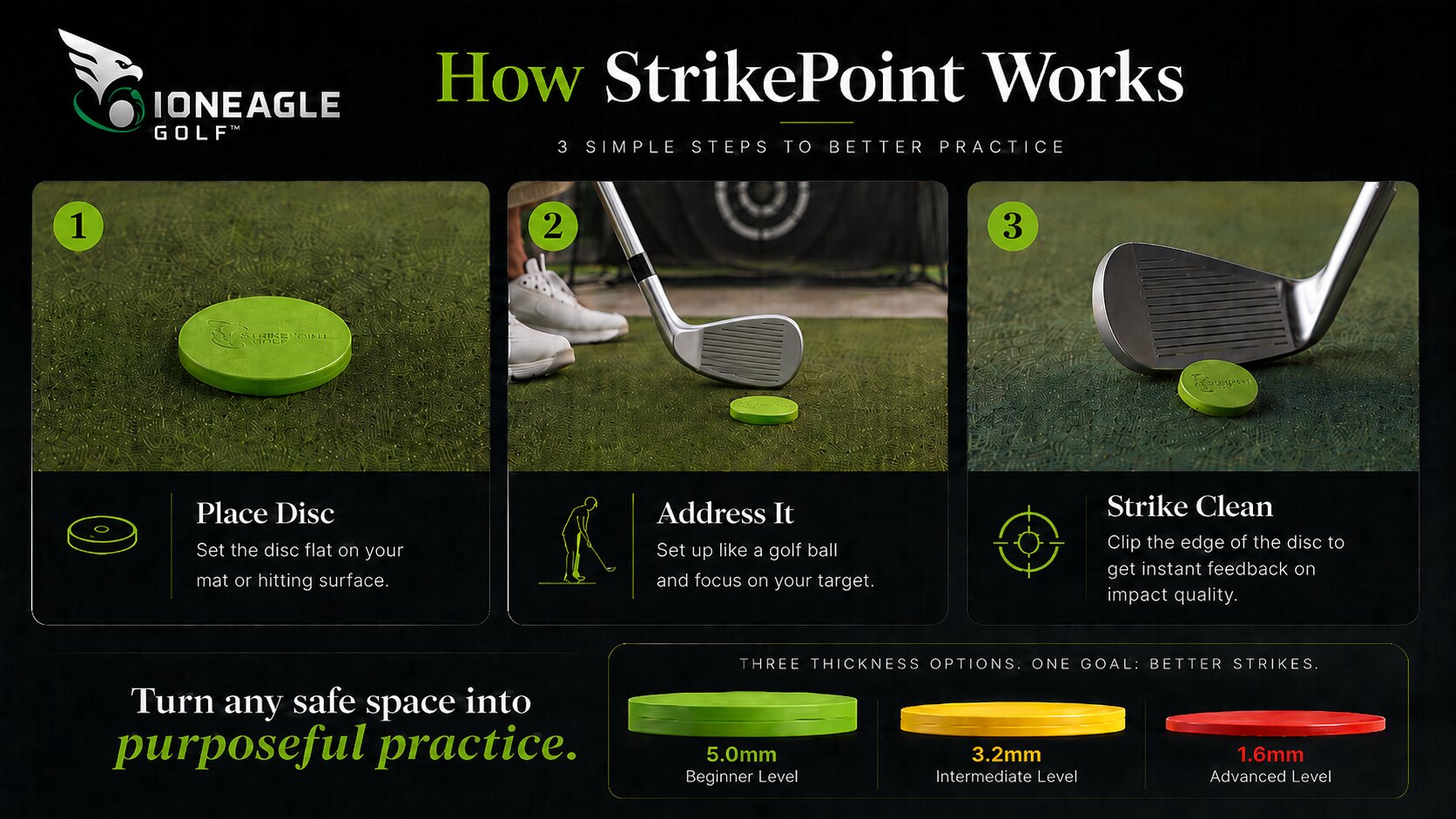
Place the disc
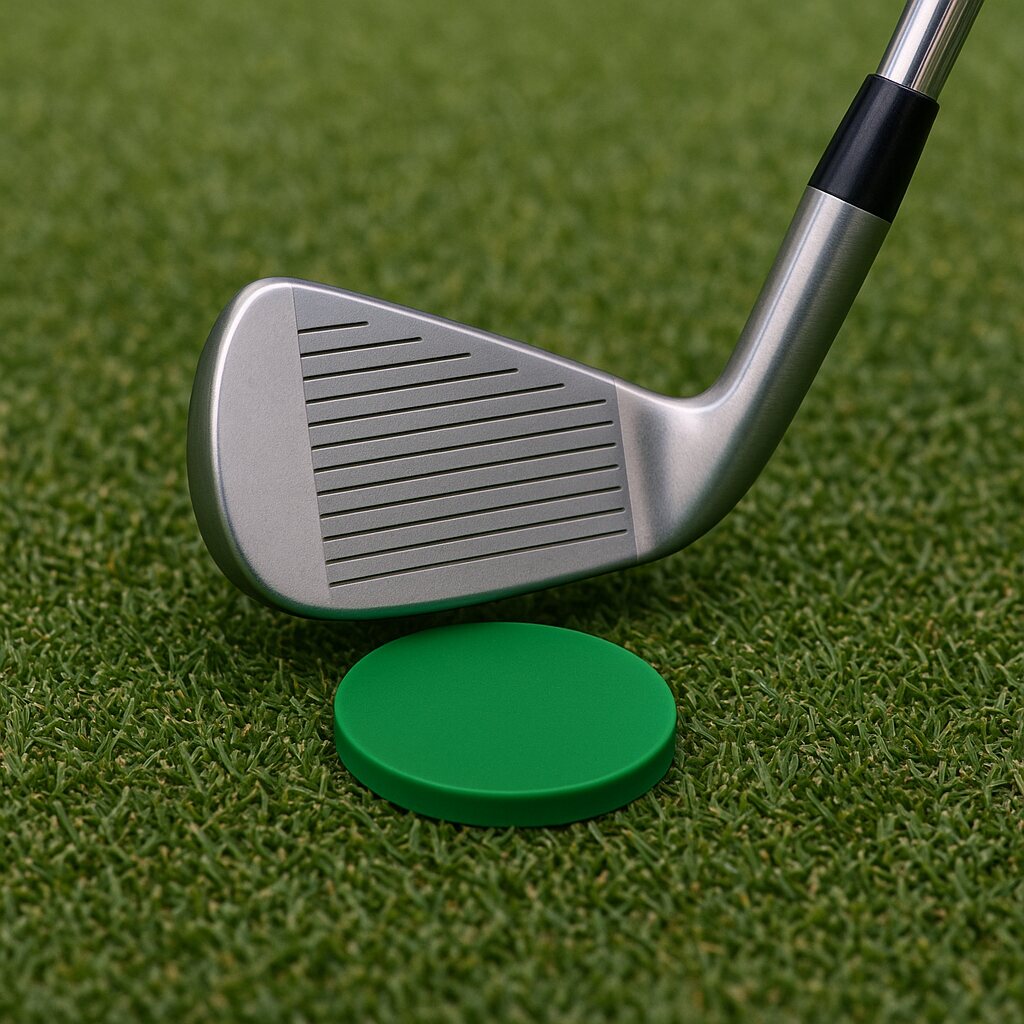
Set it flat on your mat or hitting surface, right where the ball would be.

Every great range session starts with a better strike. Place a Strike Point disc flat, hit the edge, and get instant feedback on your low point, wherever you practice.
Photo by Alexander Korte on Unsplash
A golf ball hides bad contact. A thin disc doesn't. Strike Point lies flat and shrinks your margin for error, so you feel exactly where the club bottoms out.
Set it flat on your mat or hitting surface, right where the ball would be.
Set up like you would to a golf ball and pick a target. Same stance, same routine.
Catch the edge with a descending blow. The disc tells you immediately how good your impact was.
Thick or thin, fat or clean, the disc shows it in the first swing. Train the low point your irons need, then take it to the course.
Same swing, three thicknesses. Watch how the club meets each disc, and why the thinner ones demand more.
A golf ball is a large, elevated target. Strike Point lies flat and shrinks the contact window, forcing precise low-point control and face awareness.
Pick the thickest disc that still demands your full attention, then move down only when your strike rate proves you're ready.
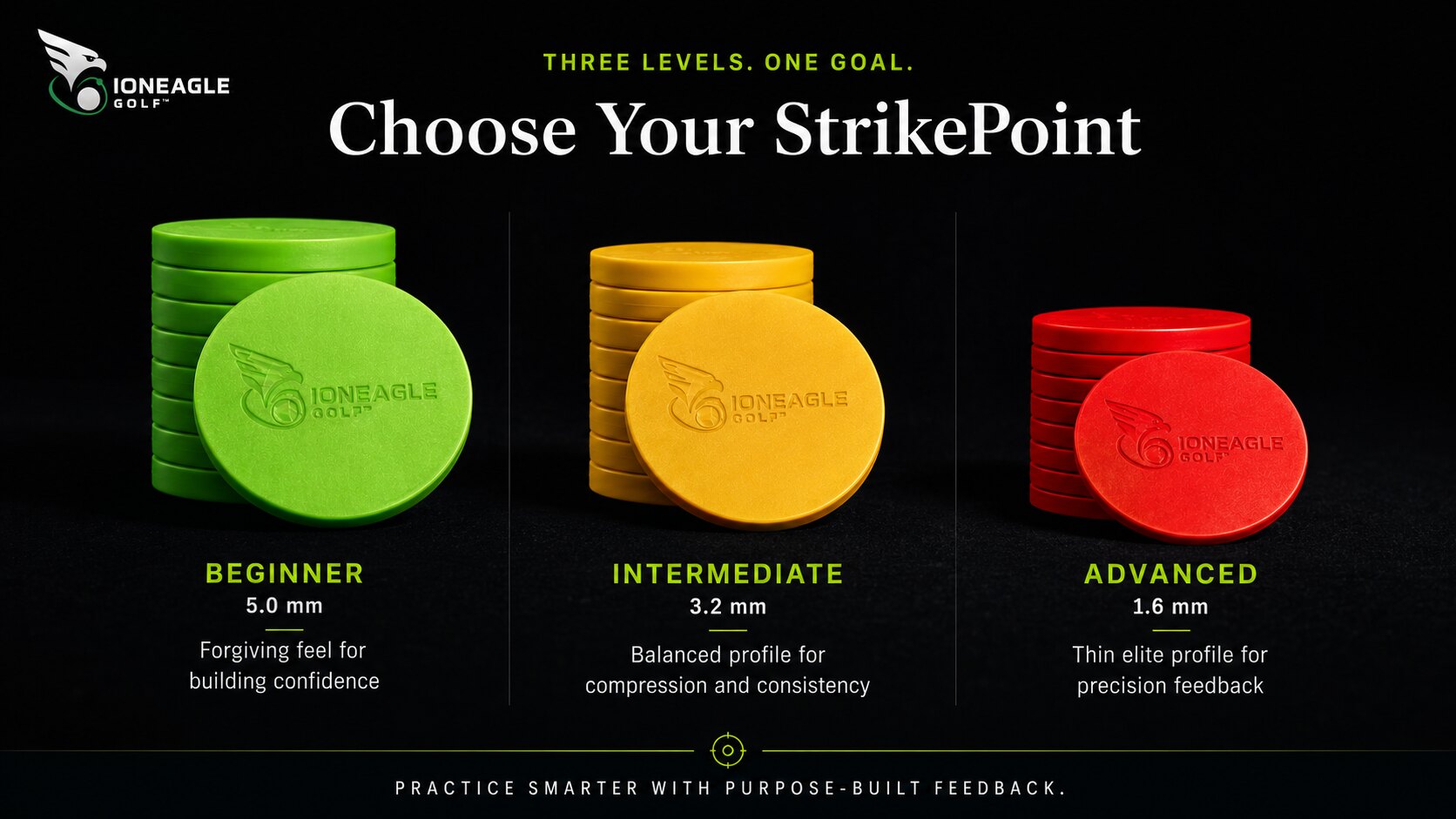
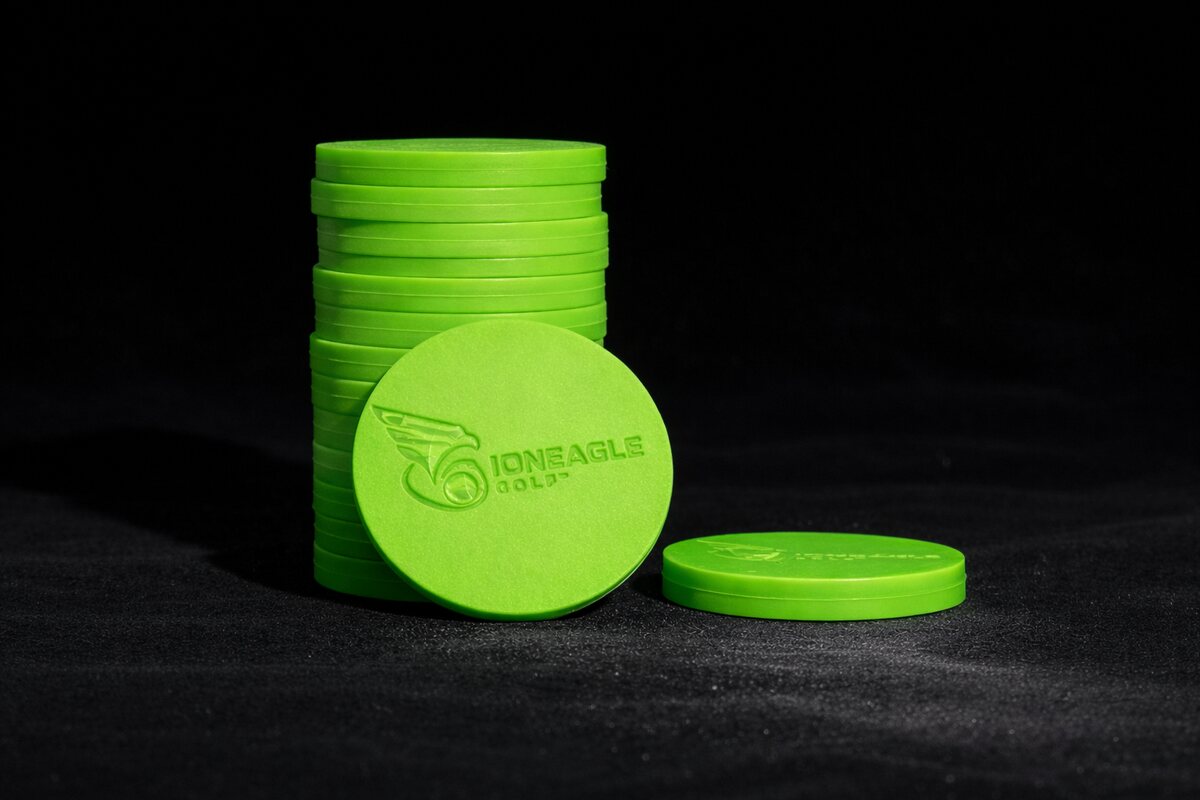
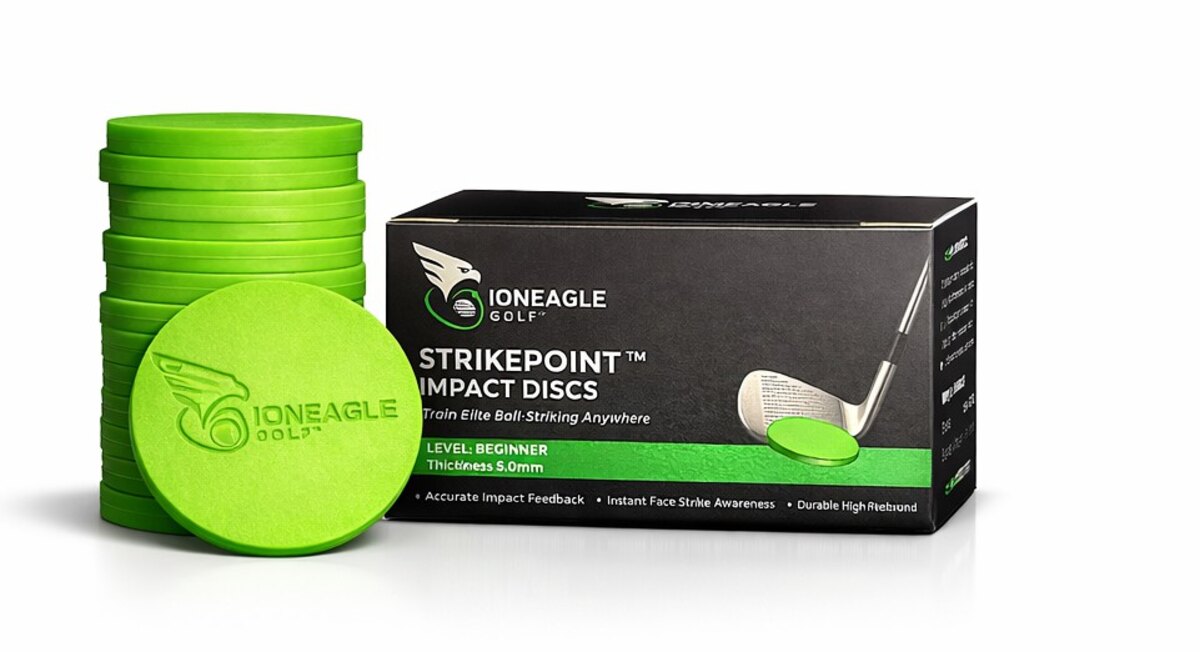
For newer golfers, juniors, and players rebuilding contact. Forgiving enough to learn, demanding enough to expose poor low-point control.
Buy Beginner on Amazon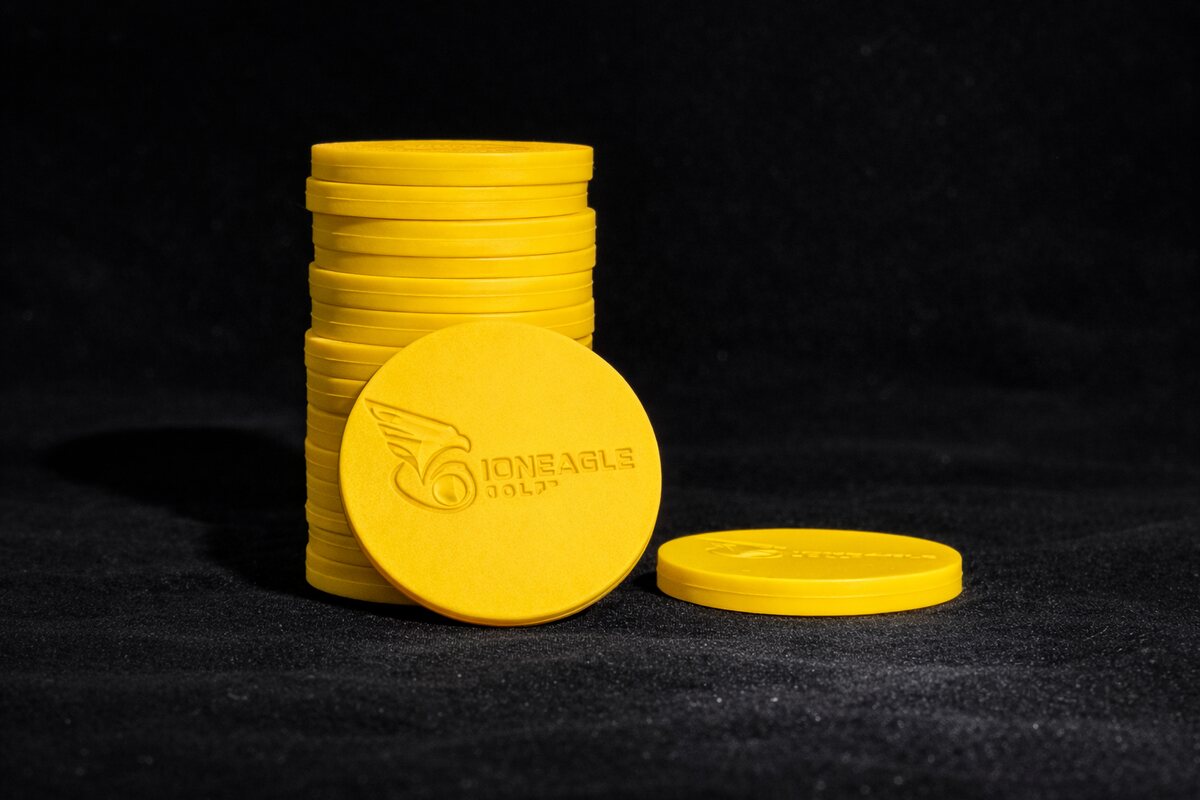
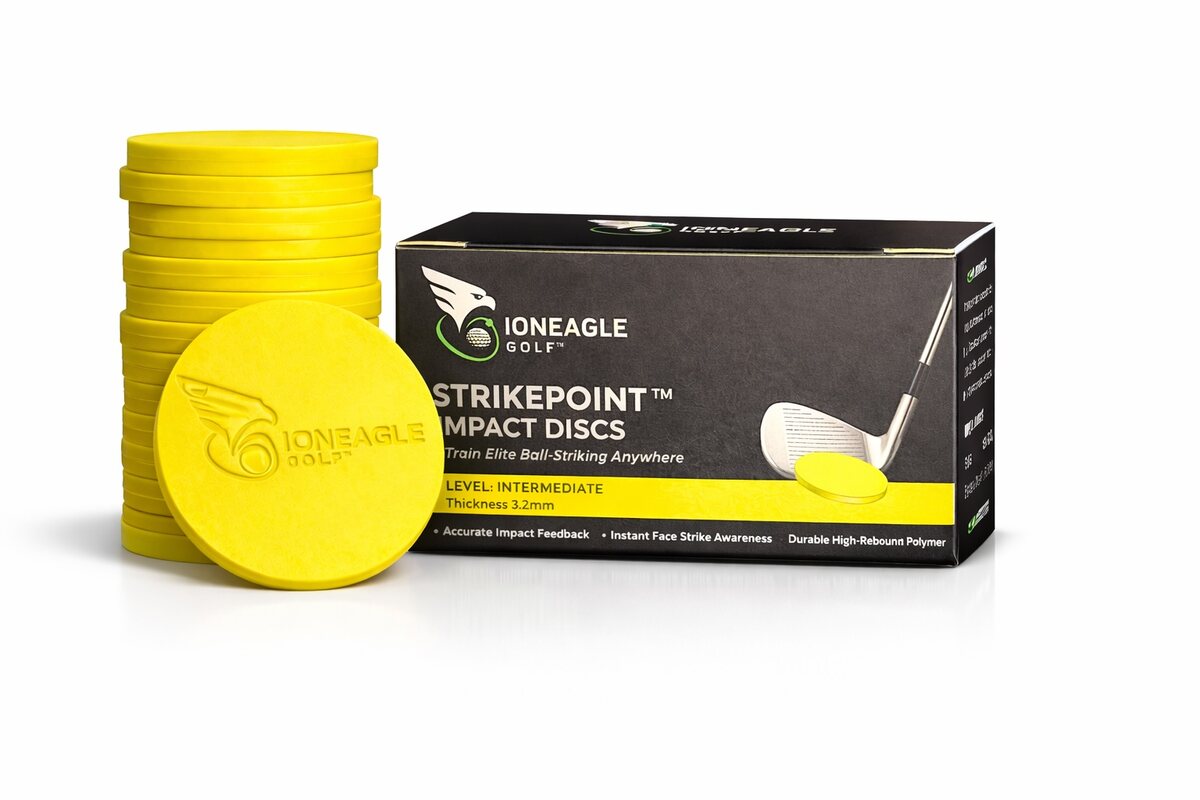
The best fit for most improving golfers. A tighter window that rewards a repeatable low point without becoming absurdly difficult.
Buy Intermediate on Amazon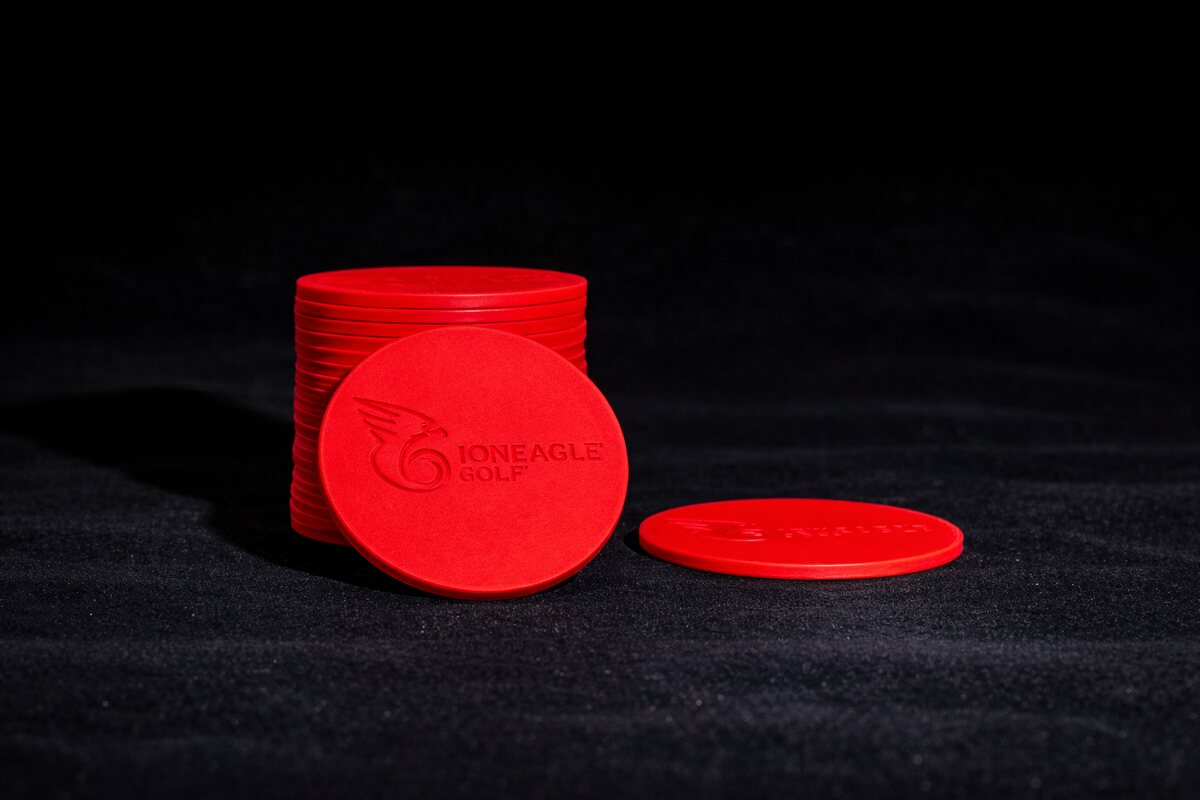
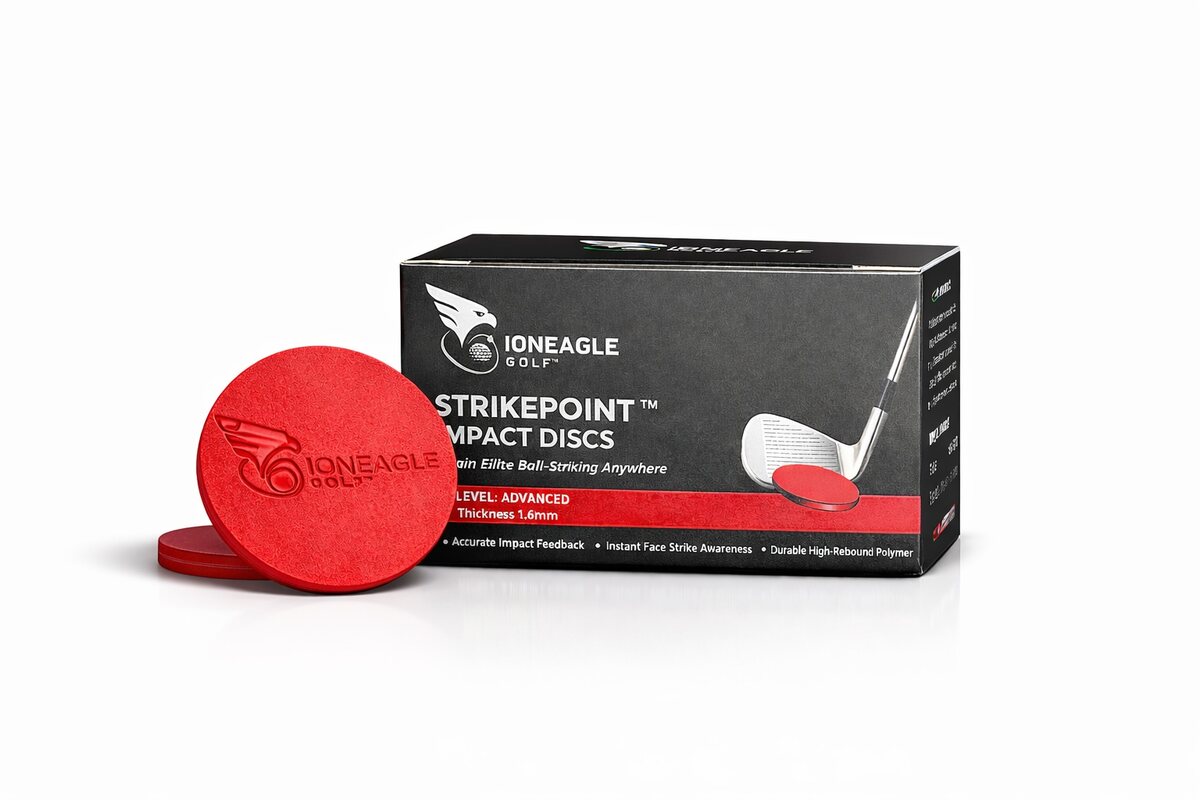
For skilled ball-strikers who want the smallest target and the least room for error. Precision work, not ego candy.
Buy Advanced on AmazonSold and fulfilled by Amazon. See current price, options and delivery on the Amazon listing.
Start with the Launch Box, then work your way down to the thinnest disc.
The original drill. Hit the disc into a box about ten feet away. Clean contact with the right path and face sends it in.
Goal: Ten for ten with each club. That is the standard the founder worked toward.
Start with the 5 mm disc and earn your way to a thinner one.
Goal: Move up only after eight out of ten repeats. Smaller margins mean more honest feedback.
Each club has its own length and loft, so each one asks for a slightly different strike.
Goal: Ten for ten with every club on your ladder.
Turn every disc into information. Tally the results, change one thing, and tally again.
Goal: A tally that improves from one session to the next.
Practice the way the founder did: Level Head on the cap while you launch discs. A quieter head makes for a cleaner strike.
Goal: Eight points out of ten with a mid-iron.
| What happened | What it usually means | Try this |
|---|---|---|
| Disc launches into the box | A clean strike with a matching path and face. | Repeat it. Then move up a club, or to a thinner disc. |
| Club skips over the disc or lands on top | Fat. The club bottomed out behind the disc. | Check that your weight is moving toward the target through impact. |
| Club misses the disc or catches the top | Thin. The club bottomed out past the disc. | Check that your chest and head aren't rising. Level Head helps here. |
| Disc flies but misses the box left or right | The club face and path aren't matching at impact. | Slow down to half swings and check your aim and grip. |
Immediate feedback. A practice tool you'll actually use often enough to matter. Pick your level and get to work.
Choose your Strike Point levelYes. You need a hitting mat, a sturdy box or bin about ten feet away with a blanket or net behind it as a backstop, eye protection, and a clear area free of people, pets, windows and breakables. Start with half swings and build speed gradually.
No. They are a precision training tool. Use them to sharpen contact and low-point control, then validate the result with real golf balls when space allows.
Newer players and juniors should start with 5.0 mm. Most competent recreational golfers should choose 3.2 mm. The 1.6 mm disc is for skilled players who already strike irons consistently.
Yes, especially on tightly mown turf. Mats provide the most consistent lie and make practice easier.
Strike Point discs are made from a high-rebound polymer intended for repeated club contact. Inspect both the discs and clubface regularly and stop using any disc that becomes torn or severely deformed.
Strike Point is sold and fulfilled by Amazon, so shipping, returns and order questions go through Amazon.